In DevelopmentOngoing
Regulatory pathway
Regulatory strategy — in development
AiMediQ™ regulatory pathway is under active development. Specific submissions and jurisdictions will be disclosed once approved.
AiMediQ™ in a few short answers.
A bedside system being developed to support the team during a Code Blue — timing, prompts, roles, and a record of the event.
AiMediQ™ is being developed to help resuscitation teams coordinate roles, capture events, and prepare structured summaries during in-hospital cardiac arrest — supporting qualified clinicians, never replacing them.
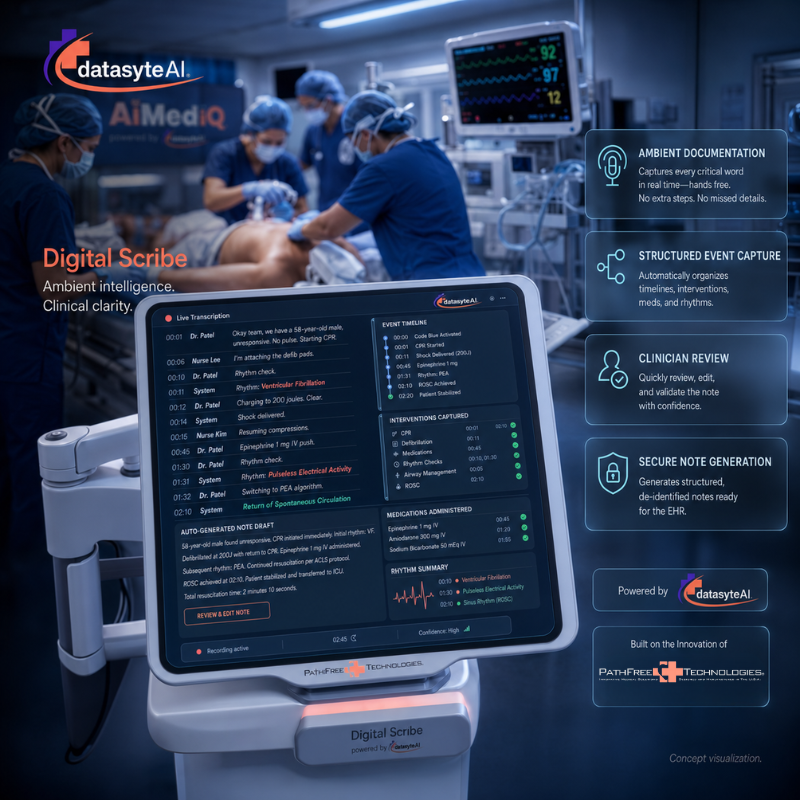
Captures critical clinical words in real time, hands-free, so no detail is missed during the event.
Automatically organizes timelines, interventions, medications, and rhythms into a coherent record.
Enables the team to quickly review, edit, and validate the note before it becomes part of the record.
Generates structured, de-identified notes ready for integration with the hospital record.
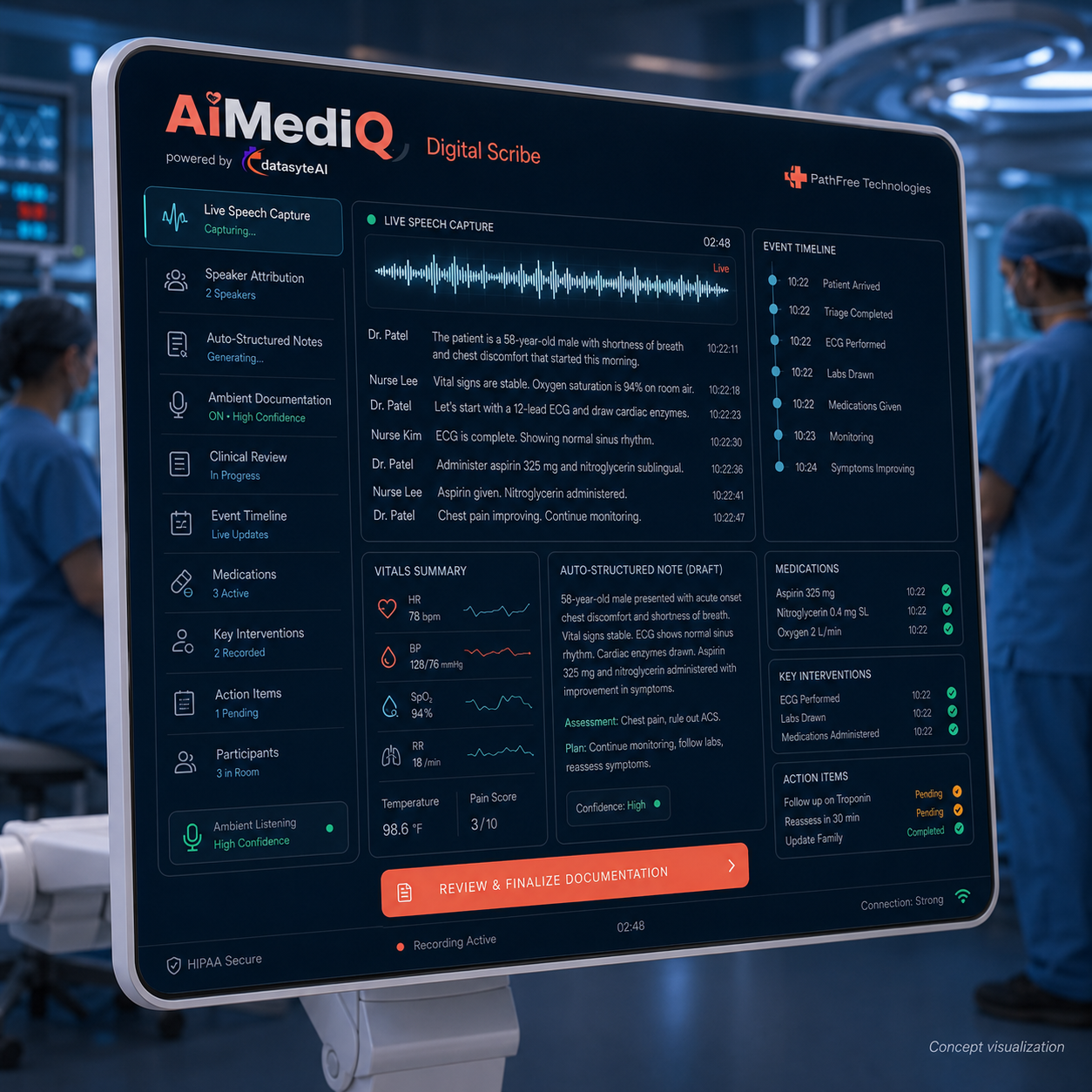
Contextual, protocol-aligned prompts intended to help the resuscitation team maintain situational awareness — delivered to a qualified clinician who retains full decision authority.
Shared role assignments, time-in-role tracking, and cue-based prompts designed to reduce coordination overhead so the team can focus on the patient.
Structured inputs for calculations clinicians commonly perform under pressure. Values are reviewed and confirmed by the clinician; the system does not autonomously order or administer therapy.
Time-stamped event capture aligned with existing resuscitation record fields, designed to reduce post-event reconstruction and support quality review, debriefing, and registry reporting.
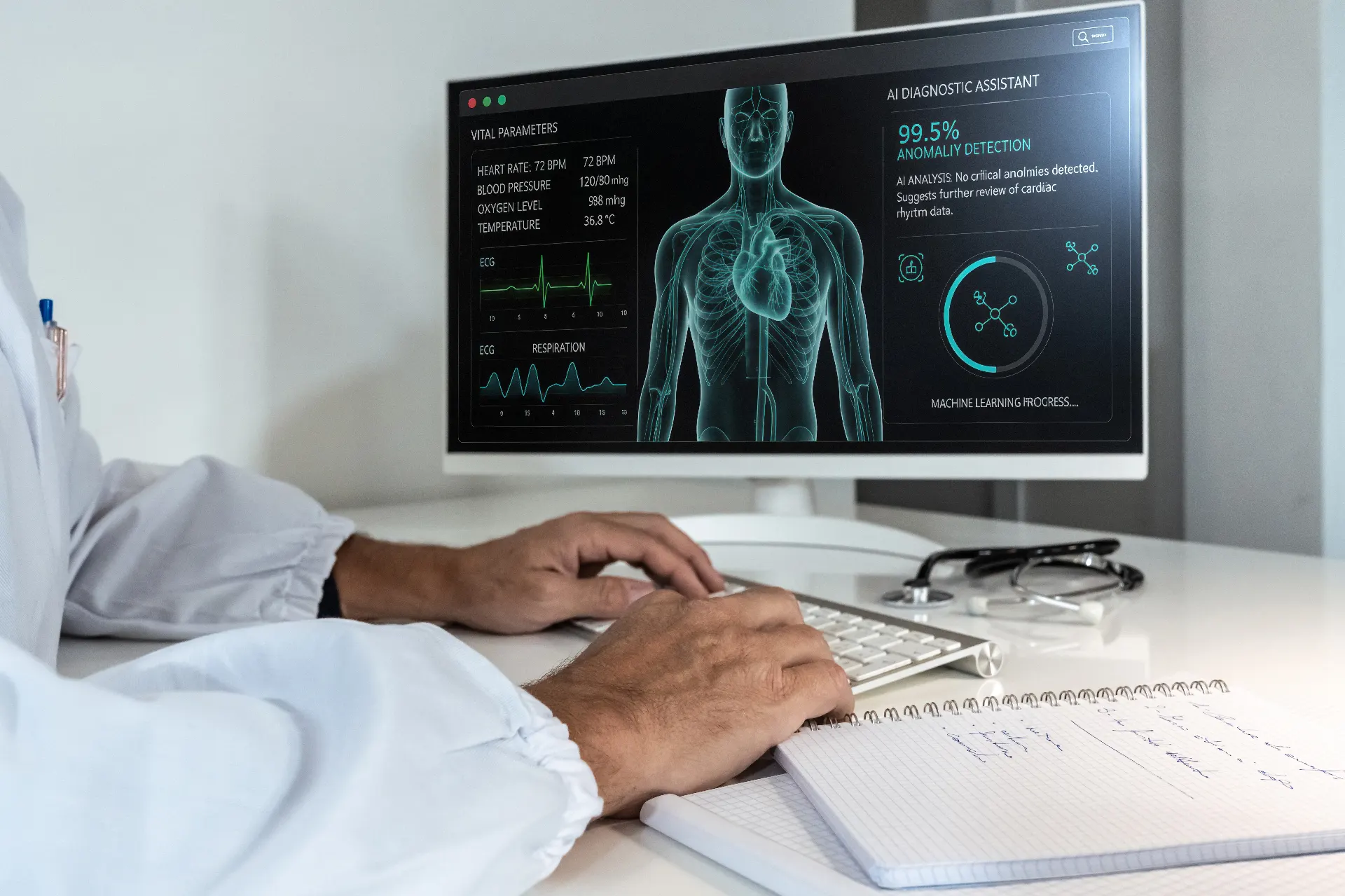
All visuals are labeled concept visualizations using deidentified, fictional data.

Concept visualization — deidentified UI, no real patient data.
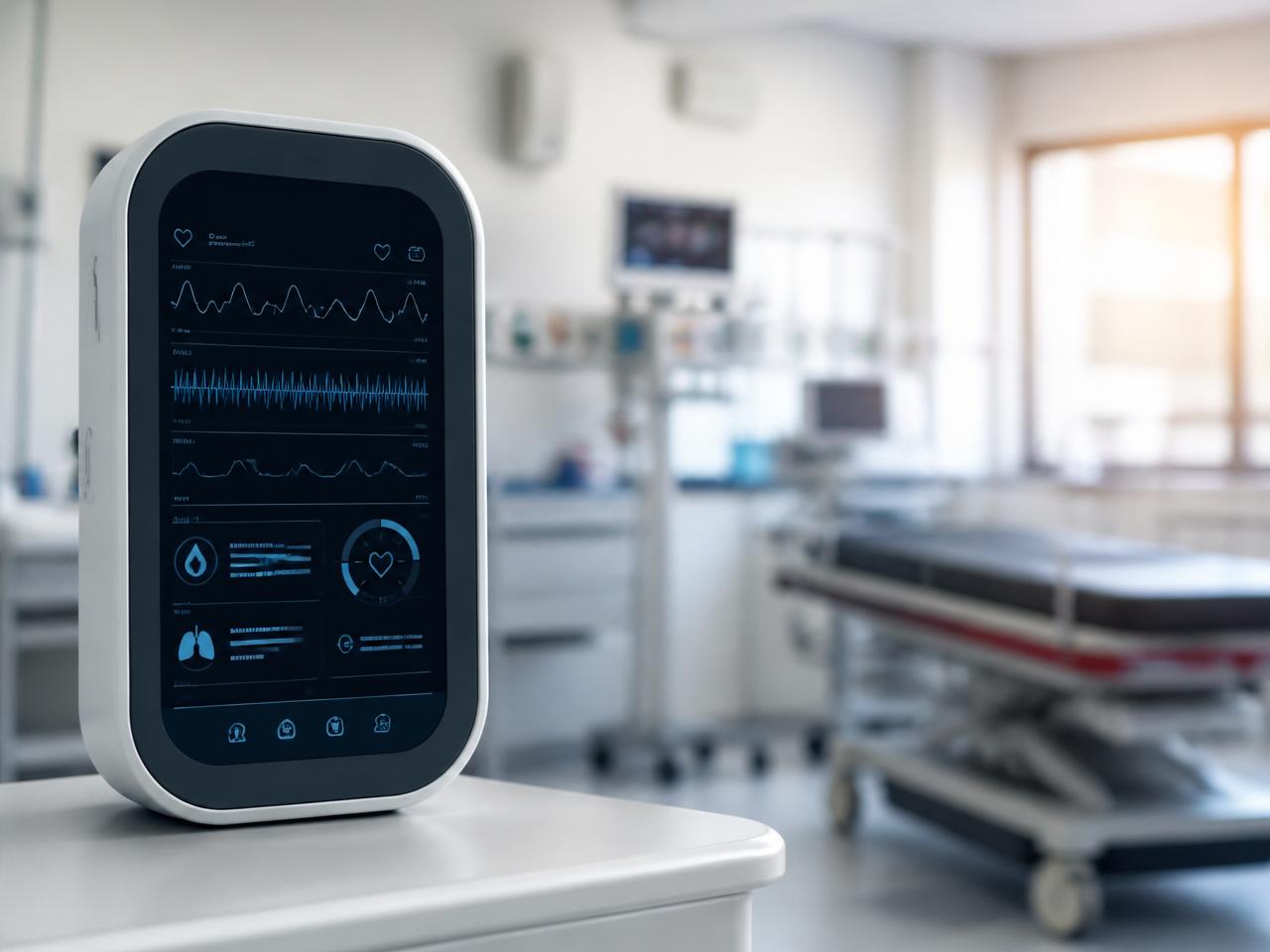
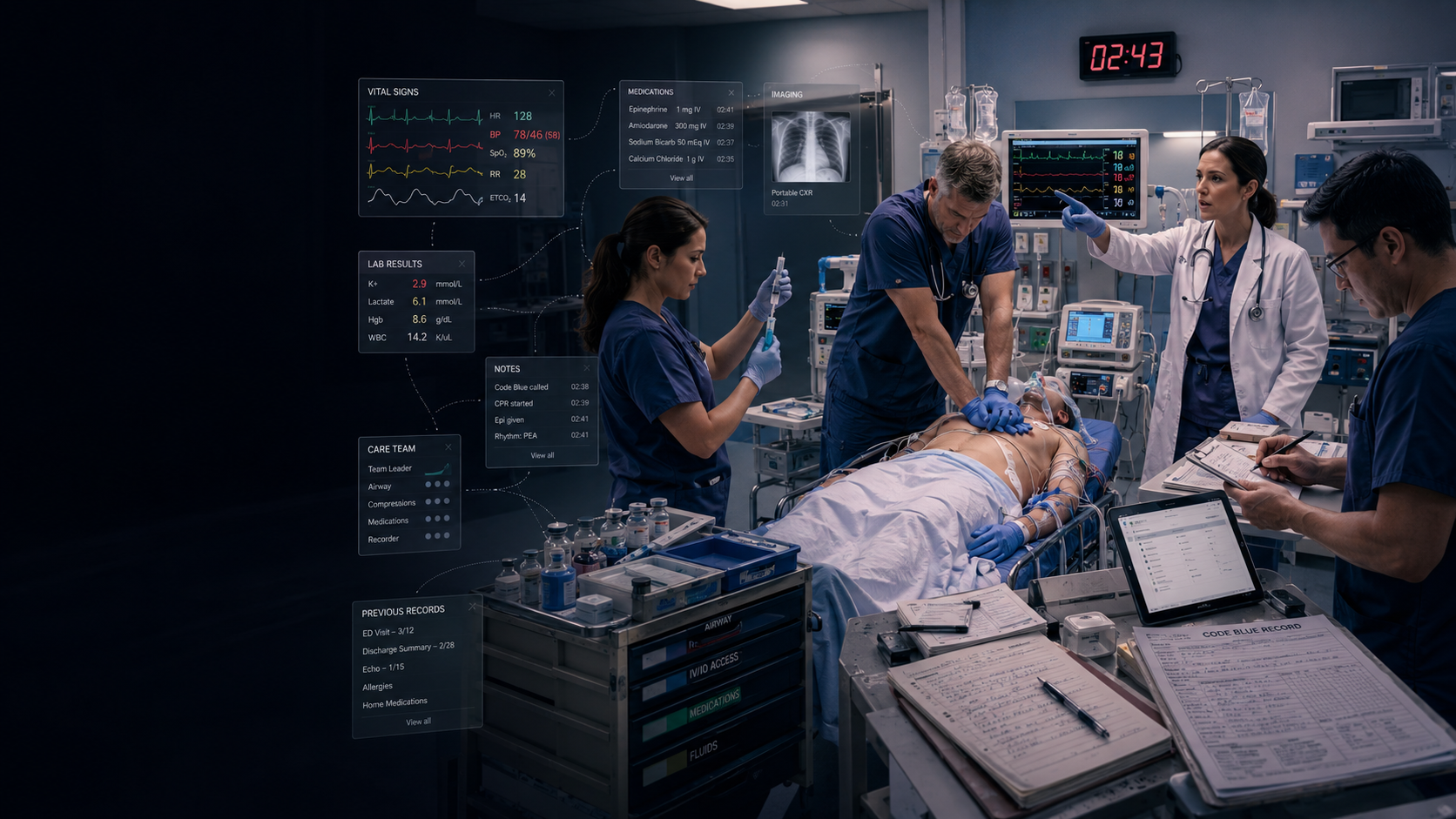
Designed for the resuscitation bay.
Precision about intended use protects clinicians, patients, and institutions.
A high-level view of how AiMediQ™ is designed to accompany a resuscitation event. No clinical instructions, doses, or protocols are shown.
The team activates AiMediQ™ at the start of the event; the session begins its structured timeline.
Team leader, compressions, airway, and recorder roles are captured to support coordination.
Actions, interventions, and observations are recorded with timestamps for the clinical record.
A structured session summary is prepared for review, QA, and registry workflows.
The team activates AiMediQ™ at the start of the event; the session begins its structured timeline.
Team leader, compressions, airway, and recorder roles are captured to support coordination.
Actions, interventions, and observations are recorded with timestamps for the clinical record.
A structured session summary is prepared for review, QA, and registry workflows.
Institutions engage through a defined sequence that respects clinical governance, IT review, and compliance oversight — with system integrations confirmed per site.
Structured conversation with clinical, operational, IT, and compliance stakeholders.
Review of resuscitation workflow, documentation practice, and technical prerequisites.
Site-specific plan with defined success measures, safety governance, and evaluation cadence.
Structured evaluation window with clinical, workflow, and operational endpoints.
Designed to integrate with institutional identity providers.
Event data is structured for downstream integration. [CLAIM REQUIRES APPROVAL — specific EHR integrations pending validation.]
Designed to support institutional QA and registry reporting workflows.
Evidence and evaluation status is published as it is approved. Nothing on this page should be read as a completed clinical validation or regulatory clearance.
Regulatory pathway
AiMediQ™ regulatory pathway is under active development. Specific submissions and jurisdictions will be disclosed once approved.
Clinical evaluation
Pilot program
Find answers to common questions about our technology and services
Request a Clinical Briefing for your team, or reach out to discuss a pilot at your institution.